
High on Life 2 Review: MurderCon’s Skateboard Mayhem Redefines Satirical Combat






Popular Now
 Schedule I
 Roblox
Among Us
Roblox
Among Us
 NBA 2K24
 Stumble Guys
 Free Fire Max
 Minecraft
 Call of Duty
 Geometry Dash
 Garena Free Fire: Kalahari
 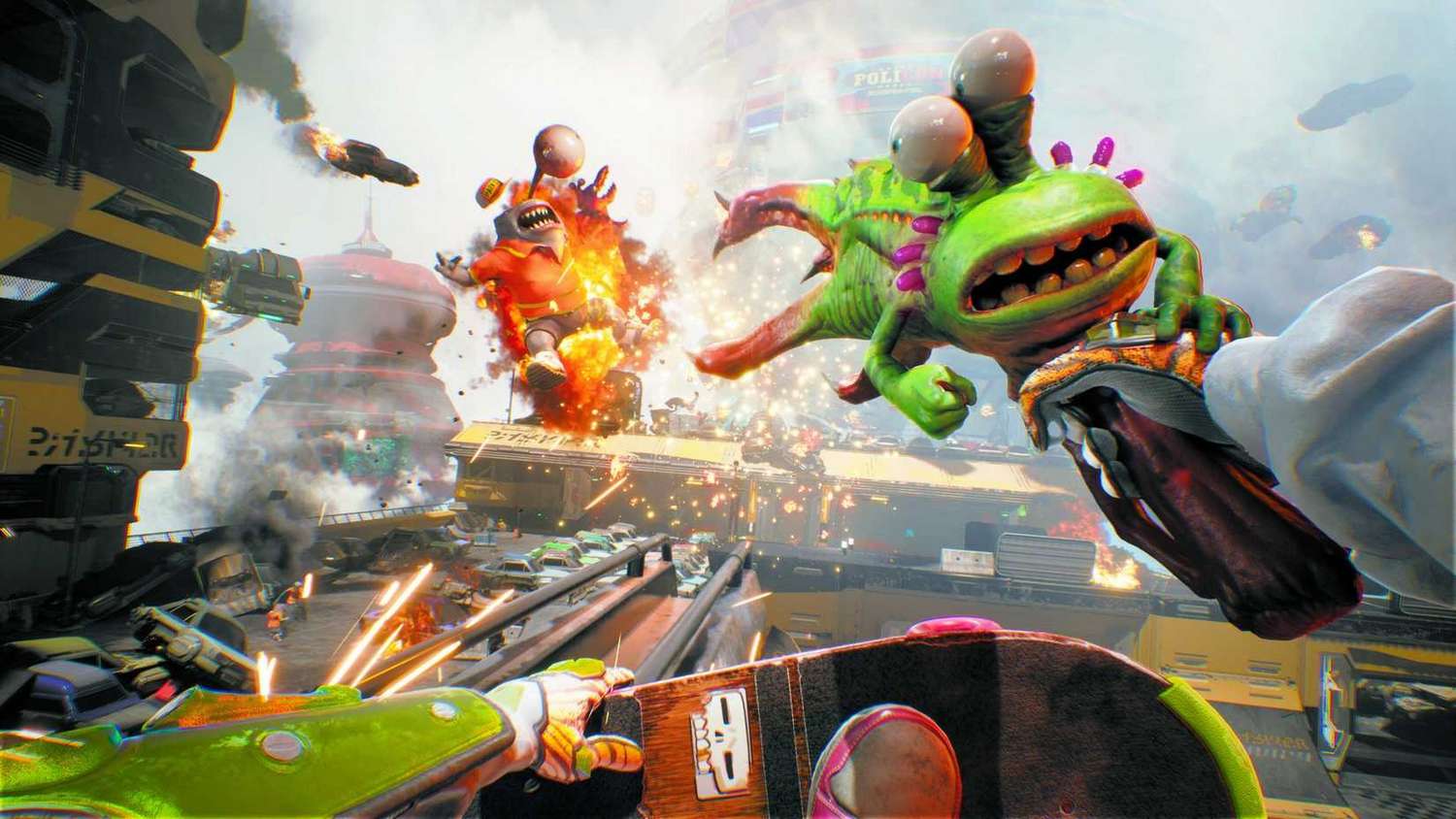 The highly anticipated sequel, High on Life 2, has arrived, plunging players back into its distinct brand of chaotic, often irreverent humor and action. While the original carved out a niche with its talking weaponry and bizarre alien worlds, the follow-up promises, and largely delivers, an escalation of its core tenets. One particular segment, the infamous MurderCon, stands out as a true highlight, not just for its narrative significance but for introducing a gameplay mechanic that feels both outlandish and surprisingly well-executed: the ability to skateboard your enemies to oblivion. This review delves into how this particular innovation, among others, positions High on Life 2 as a significant entry in the action-comedy shooter genre.
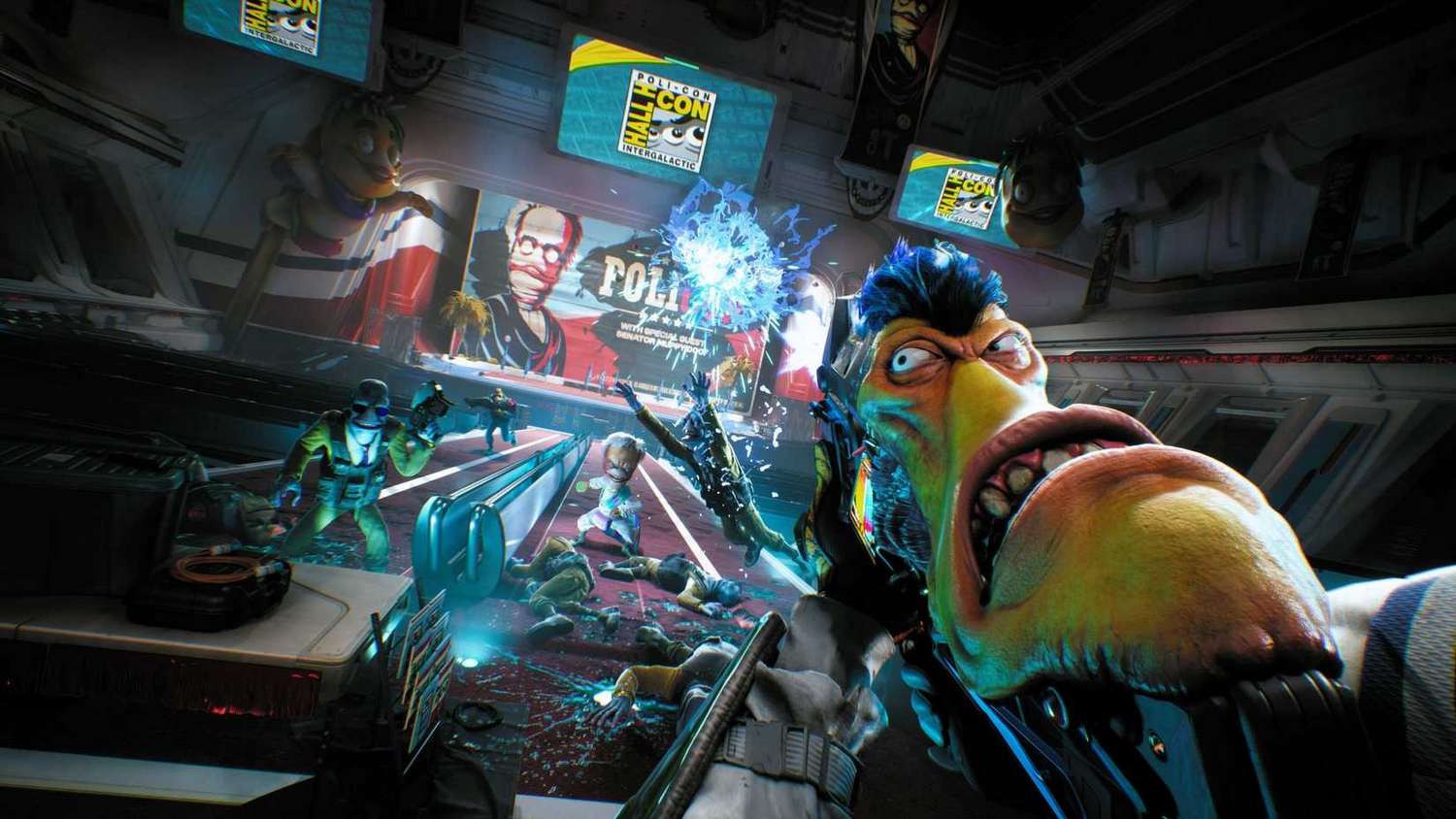
From the moment players land in the expanded, vibrant universe of High on Life 2, it’s clear that Squanch Games has taken player feedback and ambitions to heart. The stakes are higher, the alien threats more diverse, and the narrative, while still wildly comedic, possesses a surprising depth that underpins its absurdity. Our critical analysis focuses on the enhanced combat system and the game’s bold design choices, particularly within the spectacle of MurderCon. This annual interstellar convention of assassins and hitmen serves as more than just a backdrop; it’s a dynamic arena where the game truly flexes its creative muscles, introducing unique challenges and unprecedented player agency.
Gameplay Innovation: Skateboarding Through Mayhem
The core combat of High on Life 2 receives a substantial overhaul, building upon the foundations of its predecessor with new Gatlian abilities and enemy types. However, the standout feature, undeniably, is the integration of skateboard mechanics during specific high-octane sequences, most prominently within the MurderCon event. Players aren’t simply riding a board; they are weaponizing it. The ability to grind rails, pull off aerial tricks, and even use the board as a blunt instrument for devastating melee attacks against waves of nefarious convention-goers adds an exhilarating layer to the combat loop. This innovative approach to traversal and direct engagement elevates the player experience beyond conventional run-and-gun mechanics.
During the MurderCon sequence, the environment itself becomes a weapon. Grindable surfaces line the convention halls, offering strategic vantage points and escape routes. Executing a perfectly timed powerslide to trip an enemy before delivering a finishing blow with a talking sword, or boosting off a ramp to rain down plasma fire, feels incredibly satisfying. This skateboarding combat system demands precision and encourages creative problem-solving, moving beyond simple target acquisition. It’s not just a novelty; it’s a meticulously designed system that integrates fluidly with the established shooting mechanics, providing a refreshing change of pace and a new dimension to enemy encounters. The high-energy, fast-paced nature of these segments is a testament to the game’s commitment to pushing boundaries.
 Narrative and World-Building: A Deeper Dive into Absurdity
 Narrative and World-Building: A Deeper Dive into Absurdity
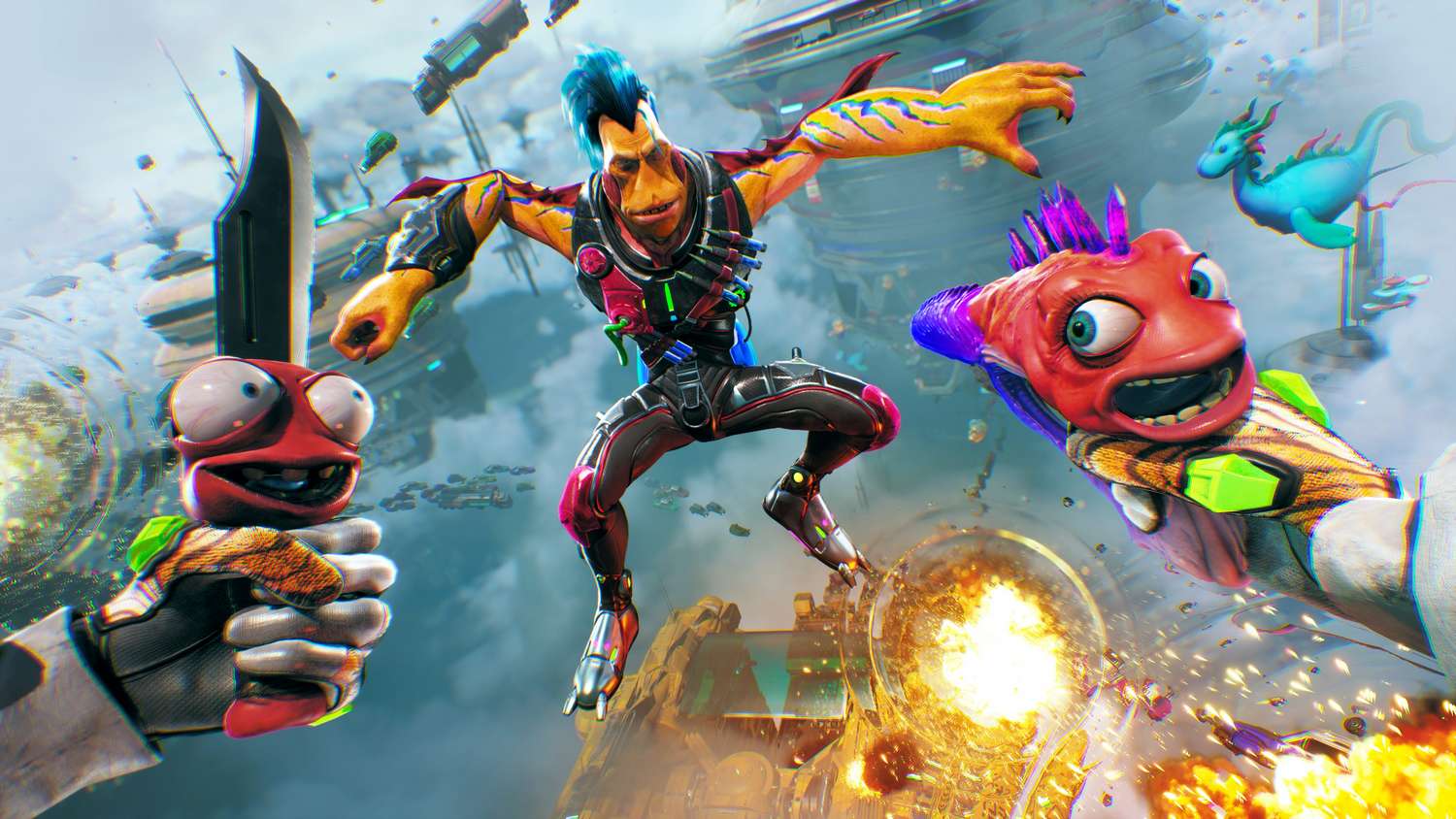
High on Life 2 maintains its signature blend of satirical humor and sharp dialogue, delivered primarily by its arsenal of sentient firearms. The sequel expands the lore of the Bountygate universe significantly, introducing new alien species, political factions, and a larger conspiracy that underpins the zany antics. The writing remains a strong suit, with laugh-out-loud moments interspersed with surprisingly clever social commentary. Each talking weapon, from the cynical Knifey to the excitable Gus, brings unique personalities and combat utilities, making weapon switching an integral part of the tactical gameplay. The game’s narrative structure ensures that even amidst the chaos of MurderCon, there’s a compelling reason to engage, driving the player forward through its quirky story beats.
The character development, even for the most outlandish figures, feels more robust, contributing to a richer, more immersive world. Side quests are no longer mere distractions but often feature fully voice-acted scenarios that further flesh out the bizarre inhabitants of this universe. The sheer volume of unique interactions and environmental storytelling elements demonstrates a significant investment in world-building, making the High on Life 2 experience feel cohesive despite its inherent absurdity. This attention to detail extends to the design of MurderCon itself, which is teeming with Easter eggs and environmental cues that reward exploration and contribute to the game’s replayability.
Technical Performance and Design
From a technical standpoint, High on Life 2 largely impresses. Running on a refined engine, the game boasts visually striking environments and detailed character models. The vibrant color palette pops, and the performance across various platforms is generally smooth, indicating a strong focus on optimization. Frame rates remain consistent even during the most hectic combat scenarios involving multiple enemies and particle effects. Audio design is another area where the game excels; the voice acting, a critical component of its charm, is top-notch, with every weapon and NPC delivering their lines with impeccable comedic timing. Sound effects for weaponry and environmental interactions are punchy and satisfying, further immersing players in the chaotic world. These technical strengths ensure that the audacious gameplay concepts, such as skateboarding enemies to death, are executed without friction, allowing players to fully enjoy the intended experience without technical hindrances.
The MurderCon Experience: A Highlight Reel
- Dynamic Arena Design: MurderCon’s multi-tiered environments are perfect for leveraging the new skateboard mechanics, offering verticality and varied combat opportunities.
- Strategic Engagement: Players are encouraged to think beyond direct combat, using environmental hazards and grind rails to outmaneuver and eliminate opponents.
- High-Stakes Combat: The concentration of elite enemies within MurderCon forces players to master both traditional shooting and the new skateboarding combat for optimal results.
- Unforgettable Set Pieces: The climax of the MurderCon arc is a visual and gameplay spectacle, solidifying its place as a standout moment in the game.
The entire MurderCon sequence is a masterclass in gameplay integration and narrative payoff. It’s here that High on Life 2 truly shines, demonstrating its potential for innovative action. The exhilaration of seamlessly transitioning from a rapid-fire Gatlian assault to a grinding, enemy-smashing skateboard maneuver is unparalleled. This commitment to unique, engaging mechanics sets a high bar for future action-comedy titles in the competitive gaming industry.
Verdict: Is High on Life 2 a Must-Play?
 Verdict: Is High on Life 2 a Must-Play?
High on Life 2 is more than just a worthy sequel; it’s a bold evolution of its predecessor’s formula. While the humor may not be for everyone, those who appreciate its distinct brand of satire will find a deeply engaging and often hilarious experience. The introduction of dynamic mechanics like the MurderCon skateboarding combat proves that Squanch Games is willing to take risks, and those risks largely pay off. The game delivers on its promise of an expanded world, refined gameplay, and even more chaotic fun. With its strong technical performance, sharp writing, and genuinely innovative combat, High on Life 2 stands as a must-play title for fans of unique action shooters and a strong contender for one of the year’s most memorable gaming experiences. It pushes the boundaries of what an action-comedy game can be, making it a valuable addition to any gamer’s library and a strong candidate for continued critical analysis.