
Corporate Crossroads: PUBG Owner Krafton Pivots to “AI First” Amid High-Stakes Legal Battle Over Subnautica 2








Popular Now
 God of War Ragnarök
 Fortnite
The Legend of Zelda
Black Myth: Wukong
Fortnite
The Legend of Zelda
Black Myth: Wukong
 Fall Guys
 Counter-Strike 2
 Valorant
 Rust
Geometry Dash
Rust
Geometry Dash
 Auto X Drift Racing 3
  SEO Keywords: Krafton AI First, Subnautica 2 Drama, Gaming Industry AI Investment, PUBG Development, Agentic AI, $70 Million AI Fund, Video Game Publisher Strategy, High-CPC Gaming News, Hi-Fi Rush Future
The South Korean gaming behemoth Krafton, Inc., the publisher behind the globally recognized battle royale sensation PUBG: Battlegrounds and the new custodian of former Xbox IP like Hi-Fi Rush, has officially declared a seismic shift in its business model, announcing its transformation into an “AI First” company. This aggressive move, underpinned by an immediate $70 million investment in GPU cluster infrastructure and an annual commitment of $21 million for employee training, signals a fundamental overhaul of its development and management systems. The announcement comes at a volatile moment, as Krafton remains deeply embroiled in a public and legal feud with the former leadership of its subsidiary, Unknown Worlds Entertainment, over the delayed and highly anticipated title, Subnautica 2.
 The $70 Million AI Gambit: Agentic Automation and Business Restructuring
Krafton’s “AI First” strategy is more than just adopting new tools; it is a complete organizational reorganization designed to place Artificial Intelligence at the core of all problem-solving. The initial $70 million capital outlay will be used to construct a massive, dedicated GPU cluster, a crucial piece of hardware infrastructure necessary to power the sophisticated AI models the company plans to deploy. Krafton’s focus is on what it terms “Agentic AI”—systems capable of setting goals, planning complex workflows, and executing tasks with minimal human intervention.
The company’s press release, translated from its Korean-language origin, outlines two major areas of impact:
- Workflow Automation: Leveraging AI to automate repetitive and analytical tasks across all departments, from internal communications and management systems to the game development pipeline itself.
- In-Game AI Services: Integrating advanced AI-driven features directly into its titles. While details are vague, this could drastically change elements in PUBG, such as the behavior of bots and competitive analysis tools, or influence the vast, procedurally generated worlds of games like Subnautica 2.
Kim Chang-han, CEO of Krafton, stated that the goal is to establish an “AI-centered operational standard” and become a “global role model for the future of game development.” While the stated purpose is to free up human developers to focus on “creative activities” and complex problem-solving, many industry observers and developers are voicing concerns that the pivot is a thinly veiled move toward cost-cutting and potential large-scale layoffs, a fear amplified by similar recent workforce reductions across the global technology sector.
The Shadow of Subnautica 2: Lawsuits and Lost Trust
The timing of the “AI First” announcement is undeniably strategic, serving as a powerful new narrative to counter the relentless negative press from the Subnautica 2 drama. The controversy centers on a brutal legal dispute between Krafton and the ousted founders of Unknown Worlds, who were allegedly removed from their positions after the publisher delayed the Subnautica sequel’s Early Access launch from 2025 to 2026. This delay, the former leadership claims, was designed to avoid a massive $250 million performance-based bonus tied to revenue milestones.
The legal filings are incredibly messy. Krafton has counter-alleged that the former executives had “lost interest” and were pushing for an unfinished release purely to secure the bonus, even claiming that a lack of leadership and a focus on “personal film projects” led to significant development delays. The core player base, a key source of high-value engagement for any video game IP, remains deeply divided and worried about the quality of the forthcoming game. The introduction of generative AI into the development of a beloved, narrative-driven sequel like Subnautica 2 could further alienate a community already skeptical of the publisher’s motives, who value the franchise’s bespoke, crafted feel.
 A Culture Clash: Hi-Fi Rush and the Corporate Machine
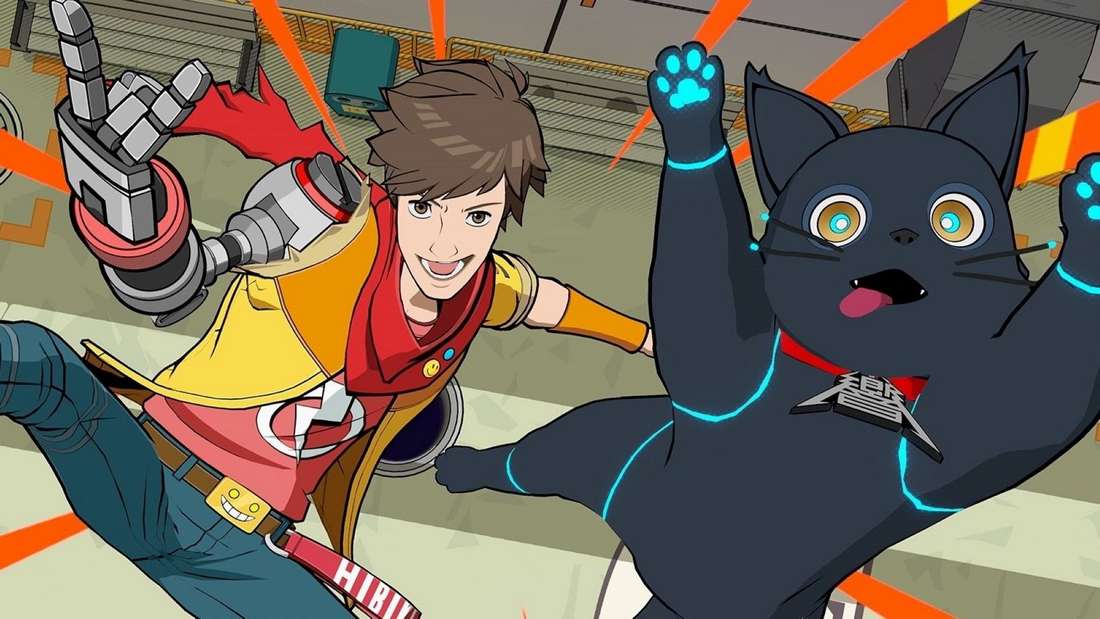
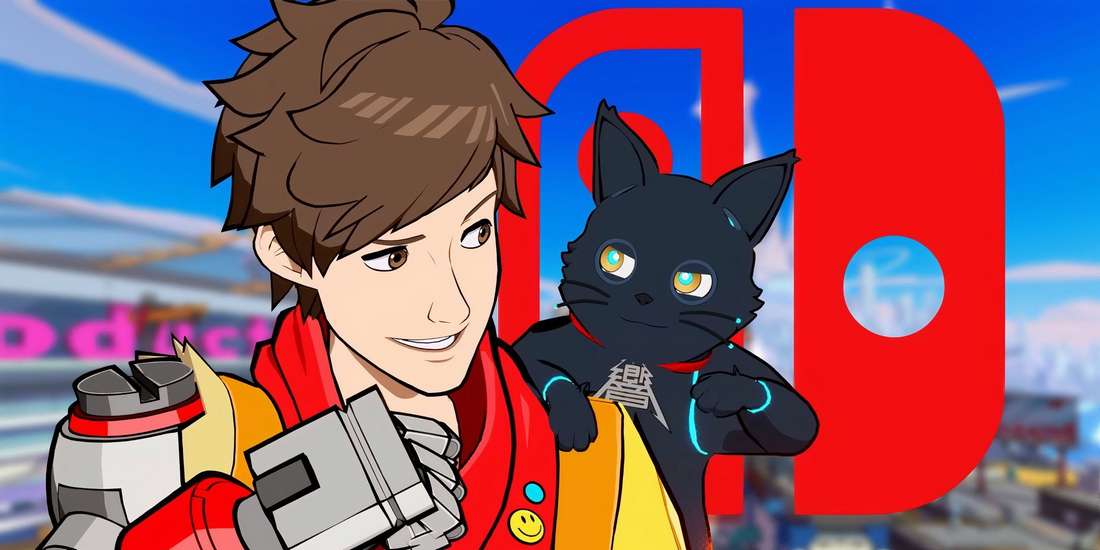
The implications for titles like Hi-Fi Rush 2 are particularly jarring. The original Hi-Fi Rush, a critically acclaimed rhythm-action game, was an artistic triumph that satirized the very concept of the cold, profit-driven megacorporation—the exact entity its current owner, Krafton, is striving to become. The prospect of an “AI First” approach influencing a sequel to such a creatively unique, anti-establishment game presents a profound creative and ethical dilemma. Critics fear that relying on AI for asset generation, music, or writing in such a title would erode the very soul of the game that made it an industry benchmark for originality and artistic integrity. This represents a significant risk to the brand equity acquired with the former Tango Gameworks IP.
The industry is at a clear crossroads. While giants like Krafton and EA aggressively invest in AI for presumed cost efficiencies and speed, independent studios like the developer of Palworld are publicly rejecting the use of generative AI in their publishing mandate, citing a commitment to human artistry and originality. Krafton’s high-stakes $70 million investment is a definitive bet on the future of game development, one that prioritizes rapid, scalable production via Agentic AI. The success of this strategy, however, will ultimately be judged by the quality and reception of its next generation of games, starting with Subnautica 2, and whether its corporate pivot creates masterpieces or merely high-volume, AI-generated “slop.”
The final judgment will be a test case for the entire $200 billion gaming market: can a company truly be “AI First” while delivering the complex, emotionally resonant, and handcrafted experiences that drive long-term player loyalty and premium consumer spending?