
Blood of the Dawnwalker: Charting Your Own Vampire Destiny in a New Era of RPGs









Popular Now
 Call of Duty
 R.E.P.O
 Gacha Club
 Minecraft
 Garena Free Fire: Kalahari
 Minecraft
 BeamNG.drive
Counter-Strike 2
BeamNG.drive
Counter-Strike 2
 Brawl Stars
 Fortnite
  The gaming landscape is constantly evolving, bringing forth titles that challenge genre conventions and offer unprecedented player agency. Among the most anticipated releases in the dark fantasy genre, Blood of the Dawnwalker stands out, promising an unparalleled interactive narrative experience where players truly choose their own vampire adventure. Far from a mere hack-and-slash, this title plunges players into a morally ambiguous world, where every decision carves a unique path through a deeply interconnected narrative.
In an industry often critiqued for linear storytelling, Blood of the Dawnwalker arrives as a breath of cold, nocturnal air. Developed by an independent studio known for its commitment to player-driven stories, this game positions itself as a critical entry in the burgeoning field of narrative-focused RPGs. It’s not just about surviving as a creature of the night; it’s about defining what that survival entails, who you become, and the indelible mark you leave upon a world teetering on the brink of an ancient conflict. This deep dive explores why Blood of the Dawnwalker is set to redefine expectations for interactive vampire sagas.
A World Veiled in Gothic Grandeur and Ancient Secrets
From the moment players awaken as a newly turned vampire, Blood of the Dawnwalker immerses them in a rich, meticulously crafted world. Set in a sprawling gothic metropolis perpetually shrouded in artificial twilight, the environment itself is a character, brimming with secrets, rival factions, and a palpable sense of history. The intricate lore weaves together classic vampire mythos with fresh, compelling narratives, presenting a society of the undead far more complex than simple predator-prey dynamics.
Players will navigate a society fractured by ancient feuds and modern ambitions. Different vampire clans, each with their own philosophies, traditions, and terrifying powers, vie for influence. Will you align with the elegant, manipulative aristocracy, the brutal, territorial enforcers, or the mysterious, scholarly hermits? Each choice of allegiance is not just a dialogue option; it’s a commitment that reshapes available quests, potential allies, and formidable enemies. This level of world-building ensures that every playthrough feels distinct, offering significant replay value and justifying its position as a high-demand title for fans of supernatural RPGs.
 The Core of the Night: Unprecedented Player Agency and Moral Weight
 The Core of the Night: Unprecedented Player Agency and Moral Weight
At the heart of Blood of the Dawnwalker lies its groundbreaking choice and consequence system. This is where the promise of ‘choosing your own adventure’ truly shines. Unlike many games where choices feel superficial, here, they resonate deeply throughout the narrative. Players must constantly weigh the immediate benefits against long-term repercussions, often impacting their character’s humanity (or lack thereof), their reputation among various factions, and the very fate of the city.
- Dialogue Choices: Every conversation is a branching path, with nuanced options that reflect your character’s developing personality and philosophical leanings.
- Faction Allegiances: Deciding which vampire coven to support or oppose has direct, visible effects on the game world and unlocks unique questlines.
- Ethical Dilemmas: Players will face difficult moral questions, such as whether to feed on the innocent, exploit mortals for power, or attempt to maintain a semblance of control over their vampiric urges.
- Consequence Tracking: The game features a sophisticated internal system that tracks minor and major decisions, leading to unique encounters, altered storylines, and multiple distinct endings.
This intricate web of decisions ensures that no two players will have precisely the same journey. The developers have invested heavily in creating a narrative architecture that truly adapts to player input, making each run through the game a genuinely personal saga of power, ambition, and survival. This focus on deep agency makes Blood of the Dawnwalker an incredibly compelling experience for players seeking a story that genuinely reacts to their input.
Mastering the Nocturnal Arts: Gameplay Mechanics and Character Progression
Beyond its narrative prowess, Blood of the Dawnwalker delivers robust RPG mechanics that complement its choice-driven gameplay. Players customize their vampire’s abilities, choosing from a diverse skill tree that reflects different vampiric disciplines. Whether you prefer to be a silent hunter, a charismatic manipulator, or a devastating combatant, the game provides the tools to craft a unique playstyle.
Combat, while not always the primary solution, is visceral and strategic. Players utilize a combination of vampiric powers, environmental interactions, and tactical positioning to overcome foes. The resource management aspect is also key, balancing your hunger for blood with the need to remain inconspicuous. Successfully navigating the challenges requires not just brute force, but cunning, stealth, and a keen understanding of your chosen discipline’s strengths.
Furthermore, the game incorporates an intriguing ‘Humanity’ system, which dynamically shifts based on player actions. Indulging in monstrous acts diminishes your humanity, unlocking more brutal powers but alienating potential allies and leading to more tragic narrative outcomes. Conversely, attempting to cling to your mortal essence may restrict certain abilities but open doors to different pathways and relationships. This dynamic system adds another layer of consequence to every decision, making character progression feel deeply meaningful.
Aural and Visual Immersion: The Aesthetics of Eternal Night
 Aural and Visual Immersion: The Aesthetics of Eternal Night
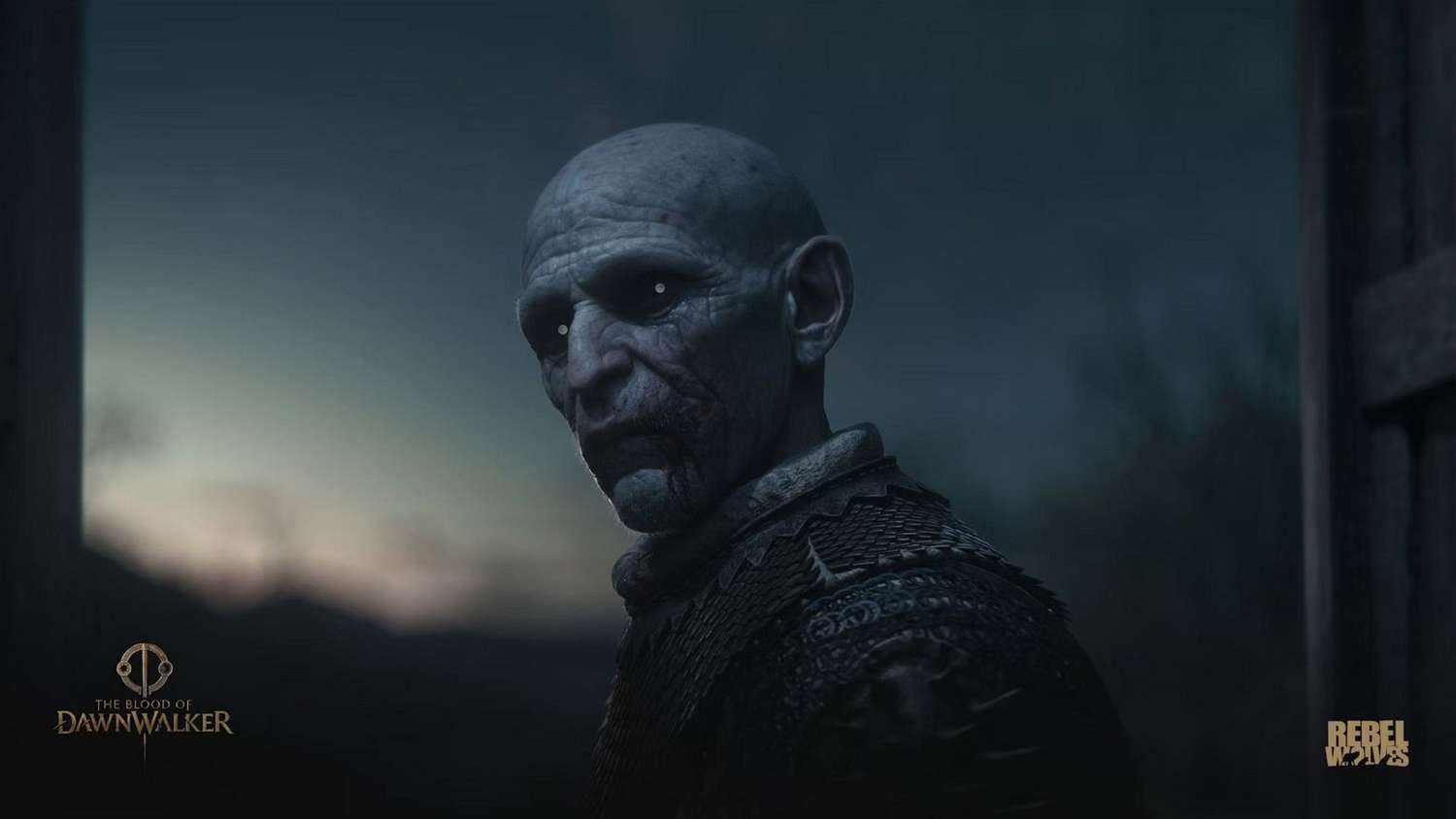
The atmospheric presentation of Blood of the Dawnwalker is undeniably one of its strongest assets. The game boasts stunning gothic architecture, detailed character models, and an exquisite use of light and shadow that truly captures the essence of a dark fantasy world. From the flickering gas lamps of a forgotten alley to the opulent chandeliers of a noble’s estate, every environment is meticulously rendered to enhance immersion.
Equally impressive is the game’s original score, a haunting symphony that perfectly underscores the melancholic beauty and inherent dangers of the vampire existence. Voice acting for key characters is top-tier, lending authenticity and emotional depth to the extensive dialogue. The seamless integration of visuals, audio, and narrative creates an enveloping experience, drawing players deeper into the game’s sinister embrace and ensuring that every moment spent in its world is captivating.
The Verdict: A Must-Play for Fans of Deep RPGs and Vampire Lore
Blood of the Dawnwalker is poised to be a landmark title for fans of RPGs, dark fantasy, and particularly those yearning for a truly interactive vampire narrative. Its commitment to player agency, intricate world-building, and robust gameplay mechanics set it apart from its contemporaries. With significant replayability guaranteed by its branching storylines and diverse character paths, this game offers exceptional value.
For those who crave a story where their choices genuinely matter, where morality is a shifting concept, and where the allure of eternal power comes with profound consequences, Blood of the Dawnwalker is an essential experience. It’s more than just a game; it’s an invitation to define your own legend within the ancient, blood-soaked annals of vampiric lore. Prepare to delve into the shadows and forge a destiny that is uniquely your own.